
Last updated on January 27th, 2026 at 04:12 pm
Butter in baking 101. It’s one of those simple ingredients that quietly does a lot of heavy lifting in baking. From flaky biscuits to soft cakes and chewy cookies, the temperature and type of butter you use can completely change the final result.
If you’ve ever wondered why one recipe calls for cold butter and another insists on room temperature, you’re not alone. Today we’re breaking down exactly how butter works in baking, what kind of butter is best to use, and how small changes can make a big difference in your homemade treats.
If there’s one ingredient that can completely change the outcome of your baking, it’s butter. Same ingredient, three different temperatures. And completely different results. Once you understand how butter behaves in your dough and batter, baking starts to make a whole lot more sense, and your cookies, cakes, biscuits, and pastries get even better.

Butter 101: Quick Reference
What is Butter?
- Dairy fat made by churning cream. Contains fat, water, and milk solids.
- Adds flavor, moisture, structure, and browning in baking.
Salted vs. Unsalted
- Unsalted. Best for baking so you control the salt.
- Salted. Fine for spreading or savory dishes, but reduce added salt in recipes to account for the salt in the butter.
Butter vs. Margarine or Shortening
- Butter. Rich flavor, tender texture, golden browning.
- Margarine. Varies in flavor; more water can affect texture.
- Shortening. Neutral flavor; adds structure but less taste.
Why Use Butter in Baking?
- Traps air when creamed → lift in cakes & cookies
- Creates flakiness in pastries & biscuits
- Adds moisture and tender crumb
- Promotes browning and flavor development
- Carries other flavors evenly throughout
Quick Tip: Cold butter = flaky layers | Softened = light & airy | Melted = dense & chewy | Browned = rich, nutty flavor
Quick Butter Temperature Guide (At-a-Glance)
🧈 When to Use Each Butter Temperature in Baking
- Use Cold Butter When You Want:
- Flaky biscuits
- Pie crusts
- Scones
- Puff-style pastries
Why it works: Cold butter melts in the oven and creates steam, which forms flaky layers.
2. Use Softened (Room Temperature) Butter When You Want:
- Light, fluffy cakes
- Soft cookies
- Creamy frostings
- Quick breads
Why it works: Soft butter creams with sugar and traps air, helping baked goods rise and stay tender.
3. Use Melted Butter When You Want:
- Chewy cookies
- Dense brownies
- Fudgy bars and blondies
Why it works: Melted butter can’t trap air, which leads to denser, richer textures.
4. Use Brown Butter When You Want:
- Deep, nutty flavor in cookies
- Rich banana bread and muffins
- Extra flavor in simple recipes
Why it works: Browning toasts the milk solids, adding a warm, nutty flavor that upgrades almost any recipe.
👉 Quick Tip for Success
If a recipe doesn’t specify butter temperature, look at the method:
- If it starts with “cream butter and sugar,” your butter should be softened.
- If it says “cut in the butter,” your butter should be cold.
- If it calls for mixing butter with wet ingredients, it’s usually melted.
This one little clue can save a lot of baking frustration.
Let’s break down how butter works in baking, the best butter to use, and when each type and temperature really matters.

Butter 101: Same Ingredient, Different Temperatures
🧈 Cold Butter = Flaky Layers
Cold butter is what you want for flaky baked goods like:
- Biscuits
- Pie crust
- Scones
- Puff-style pastries
When cold butter stays solid in the dough and then hits the heat of the oven, it melts and creates steam. That steam forms pockets, which turn into the beautiful layers we all love in flaky biscuits and pie crusts.
No cold butter, no flakes. And truly — the colder the butter, the better the layers.
Tip: If your butter is rock hard, don’t fight it. Use a standard box grater and grate the cold butter directly into your flour mixture. It mixes in easily and keeps everything nice and cold.
🧈 Softened (Room Temperature) Butter = Light and Fluffy
When a recipe calls for room temperature butter, this is what it means:
You should be able to press into it easily with your finger, but it should still hold its shape — not melted, not greasy.
Softened butter is used for:
- Cakes
- Cookies
- Frostings
- Quick breads
At this temperature, butter can properly cream with sugar. That creaming process traps air, which helps give baked goods structure, lift, and a soft, tender crumb.
If you can’t use butter, shortening can work here for structure and height, though you’ll lose some flavor. Plant-based butter also works, just be sure to use baking sticks, not spreadable tubs, which have too much water.
🧈 Melted Butter = Dense and Chewy
Melted butter creates:
- Chewy cookies
- Dense brownies
- Fudgy blondies
Because melted butter can’t trap air, you don’t get the same lift. Instead, you get richer, denser textures — perfect when that’s exactly what you’re going for.
Pro Tip. After years of struggling, I found out why you need to chill the dough. If you’re making cookies with melted butter, it’s important to chill the dough for at least 8 hours or overnight. Without chilling, the cookies will spread too much and turn thin and flat. Resting the dough helps rebuild structure before baking.
And if you take melted butter just a step further, you get…
Brown Butter = Extra Flavor Upgrade
Brown butter happens when you gently cook butter until the milk solids toast and turn golden. Those toasted milk solids are what give brown butter its rich, nutty flavor.
Brown butter is amazing in:
- Cookies
- Banana bread
- Muffins
- Even mashed potatoes
It’s an instant flavor upgrade that makes everyday recipes taste bakery-level special.
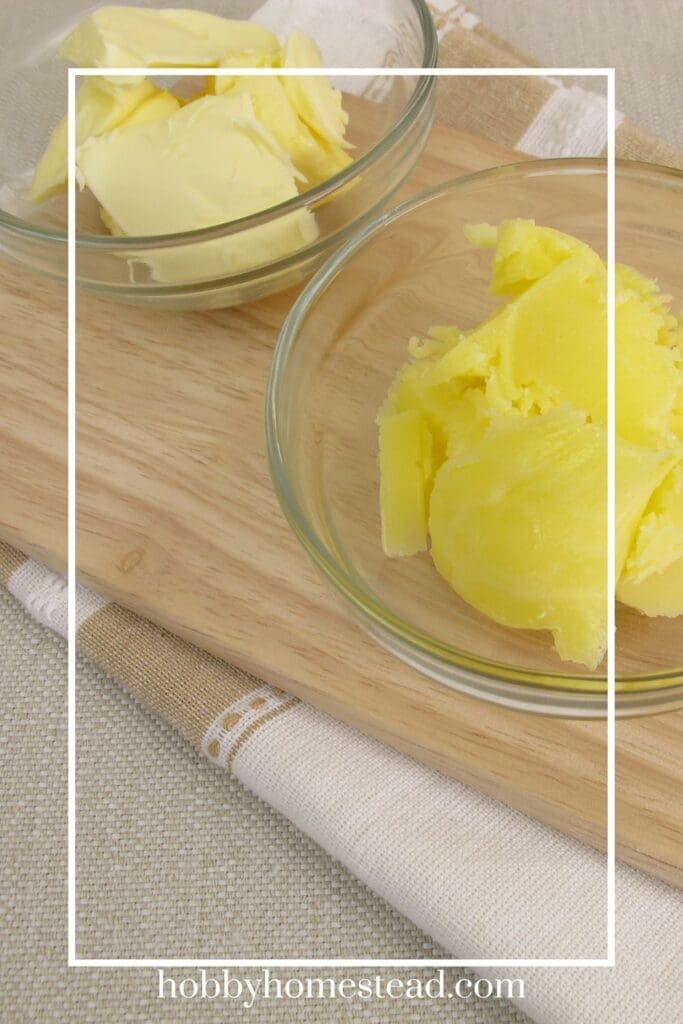
How Butter Affects Baking
Butter plays several important roles in baking, all at once:
- Flavor. Butter adds rich, creamy taste that other fats just can’t fully replace.
- Moisture and Tenderness. The fat keeps baked goods soft with a delicate crumb.
- Structure and Leavening. Creamed butter traps air that helps baked goods rise.
- Texture and Mouthfeel. Butter gives that smooth, rich bite we all love.
- Browning and Flavor Development. Butter helps create golden crusts and deeper flavor through browning reactions.
- Emulsification. Butter helps blend ingredients smoothly, especially in frostings and sauces.
- Flavor Carrier. Butter spreads herbs, spices, and other flavors evenly throughout a recipe.
That’s a lot of responsibility for one simple ingredient and why it matters so much in baking.
What Is the Best Butter for Baking?
For most baking recipes, unsalted butter is the best choice. It lets you control the amount of salt in the recipe and gives consistent results.
However, if you only have salted butter, you can still use it. Just reduce the added salt in the recipe slightly.
You may also see:
- European-style butter. Higher fat content, richer flavor, great for pastries and special desserts.
- Cultured butter. Slightly tangy flavor, wonderful in simple recipes where butter really shines.
For everyday baking, standard unsalted butter works beautifully.
What Is the Best Butter for Cooking?
For stovetop cooking and high-heat methods, clarified butter is often the best choice.
Clarified butter has:
- A higher smoke point
- A rich, clean butter flavor
- Longer shelf life than regular butter
Because the milk solids and water are removed, clarified butter can handle higher temperatures without burning, making it great for sautéing, frying, and searing.
Butter vs. Shortening or Margarine
While butter, shortening, and margarine can sometimes be used in similar ways, they are not the same.
- Butter. Best flavor, adds moisture and richness, slightly lower melting point.
- Shortening. Great for structure and height, but lacks flavor.
- Margarine. Varies widely, often contains more water, and can affect texture.
In baking, butter usually gives the best overall flavor and texture, while shortening may be helpful when structure is the top priority.
How to Soften Butter Quickly
Forgot to take your butter out of the fridge? It happens to all of us.
Here are a few quick methods:
- Cut butter into small cubes and let sit for 10–15 minutes.
- Place butter under a warm (not hot) glass.
- Microwave at very low power in short bursts (be careful not to melt it).
You want soft, not shiny or greasy.
Tips for Baking Cakes with Butter
- Always use room temperature butter unless the recipe says otherwise.
- Cream butter and sugar until light and fluffy — don’t rush this step.
- Scrape the bowl often to ensure even mixing.
These steps help create tender cakes with good rise and structure.
Tips for Baking Cookies with Butter
- Softened butter = thicker, softer cookies
- Melted butter = chewier, denser cookies
- Chilling dough helps control spreading and improves flavor
- Brown butter adds depth and richness
Small changes in butter temperature can completely change your cookie results.
Best Butter for Pastries
For pie crusts and pastries, cold butter is king.
- Keep butter cold
- Work quickly
- Chill dough before baking
This is what creates those beautiful flaky layers.

Can You Use Homemade Butter for Baking?
Yes, you can substitute homemade butter for store-bought butter in most recipes. Just keep in mind that homemade butter may have slightly different moisture content, which can affect very precise recipes like pastry or macarons.
For everyday baking, it usually works just fine and adds wonderful flavor.
Is salted or unsalted butter better for baking?
Unsalted butter is generally best for baking because it lets you control exactly how much salt goes into a recipe. Different brands of salted butter contain different amounts of salt, which can slightly affect flavor and texture.
That said, if you only have salted butter on hand, you can still use it. Just reduce any added salt in the recipe by about ¼ teaspoon per stick of butter.
Can I substitute oil for butter in baking?
In some recipes, yes. But the results will be different. Oil keeps baked goods very moist, but it doesn’t provide the same flavor or structure that butter does. Cakes and quick breads often work well with oil substitutions, while cookies, pastries, and recipes that rely on creaming butter and sugar usually do better with butter.
Why does my recipe say “room temperature butter” instead of melted?
Room temperature butter is used when a recipe needs the butter to cream with sugar and trap air. This process helps baked goods rise and creates a lighter texture.
Melted butter can’t trap air, so it produces denser, chewier results instead. Using the wrong temperature can completely change how your baked goods turn out.
Does butter quality really matter in baking?
For most everyday baking, standard grocery store butter works just fine. However, higher-fat European-style or cultured butter can add extra richness and flavor, especially in simple recipes like shortbread, biscuits, and pastries where butter is the star. It’s not required, but it can be a nice upgrade when you want something extra special.
Can I freeze butter for baking later?
Yes, butter freezes very well. You can store it in the freezer for several months, tightly wrapped to prevent absorbing odors. Frozen butter is especially handy for grating into biscuit or pie crust dough when you need very cold butter for flaky layers.
Why did my cookies spread too much?
Cookies often spread too much when the butter is too warm or melted and the dough hasn’t been chilled.
Warm dough melts quickly in the oven before the structure sets. Chilling cookie dough helps firm up the fat and allows the cookies to hold their shape while baking.
Can plant-based butter be used for baking?
Yes, many plant-based butters work well in baking, especially when used as baking sticks rather than soft tubs. Baking sticks tend to have a fat and water content closer to real butter, which gives more reliable results in cookies, cakes, and pastries.
That’s why Butter Temperature and Type Matter in Baking
Butter may seem like a simple ingredient, but in baking, it does a whole lot of heavy lifting. From flaky layers to soft cakes to chewy cookies, the temperature and type of butter you use can completely change the final result.
Once you understand how butter works, you can bake with more confidence. And even tweak recipes to get exactly the texture you love most.
Same ingredient. Different temperatures. Completely different outcomes. And that’s part of the fun of baking.
Stay connected with Hobby Homestead
Add Hobby Homestead as a preferred source in Google Search to make it easier to find our articles when you're searching for recipes, gardening tips, preserving ideas, and more.