
Homemade peanut butter is one of those recipes that feels almost magical. Using a simple bowl of peanuts and turning them into a smooth, creamy spread in a matter of minutes.
Whether you’re spreading it on warm toast, adding it to oatmeal, or stirring it into a smoothie, homemade peanut butter is a practical skill every home cook can appreciate.
Once you see how easy it is, you may never go back to store-bought again.
Our First Time Making Homemade Peanut Butter
To be honest, this was our first time making peanut butter at home, and we kept it as simple as possible.
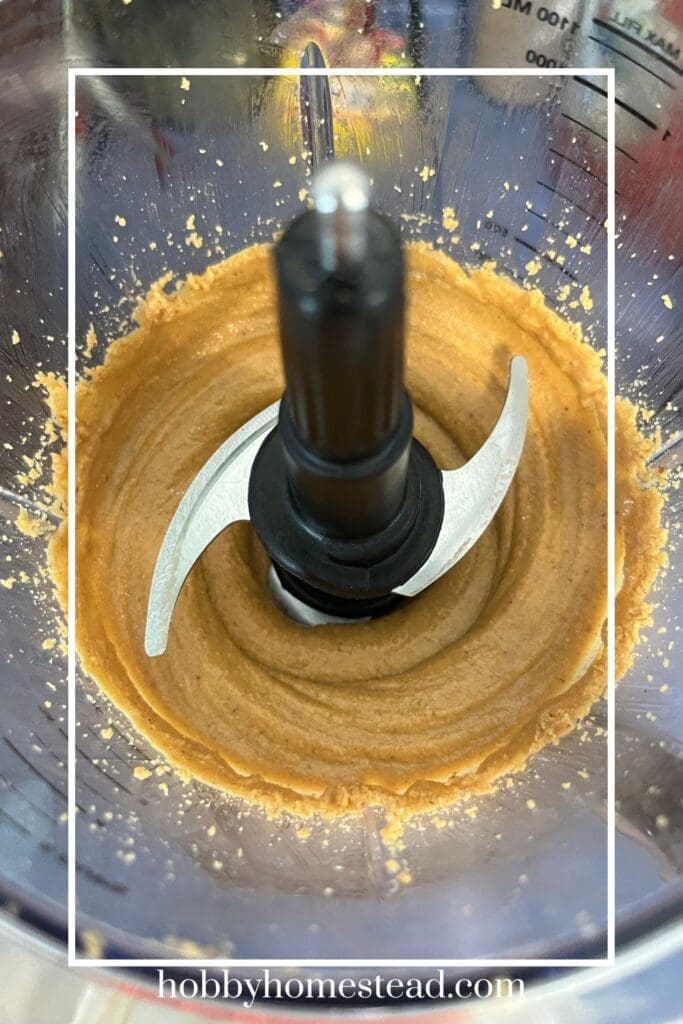
It didn’t take long before the peanuts started to break down. At first, they looked dry and crumbly, but after blending a little longer, the natural oils began to release.
Before we knew it, the peanuts had transformed into smooth, creamy peanut butter.
We didn’t add anything else—no oil, no sugar, no salt. Just peanuts. The flavor was rich and fresh, and it tasted even better than we expected.
Trying this in a Bullet Blender
We tried this recipe in both a food processor and a bullet-style blender. The blender worked surprisingly well for a small batch. It’s a great option if you don’t have a food processor or if you simply want to make a quick jar of peanut butter without pulling out larger kitchen equipment.
Small-Batch Peanut Butter Tip
If you want to try making peanut butter in a bullet-style blender, smaller batches tend to work best. Using a few snack-size bags of peanuts is just the right amount to help the blades move and blend the nuts smoothly.
Each bag contained 1.75 ounces of roasted peanuts, so we opened a few of them and poured them into the blender cup.
This method makes it easy to whip up fresh peanut butter whenever you need it.

Why Make Peanut Butter at Home?
Making peanut butter from scratch is surprisingly simple and comes with several benefits.
- Many store-bought peanut butters contain added sugars, stabilizers, or oils. When you make it yourself, you decide exactly what goes in.
- Freshly blended peanuts create a deeper, richer peanut flavor that tastes far better than many commercial brands.
- Buying peanuts in bulk and making peanut butter at home can save money over time.
- Custom texture.Prefer smooth and creamy or chunky with bits of peanuts? Homemade peanut butter can be blended to the texture you love.
- A practical homestead skill.Learning to make everyday foods from scratch builds confidence in the kitchen and supports a more self-sufficient lifestyle.
A Pleasant Kitchen Surprise
Sometimes the simplest kitchen experiments turn out to be the most rewarding. What started as a quick test with a few small bags of peanuts ended up becoming a delicious jar of homemade peanut butter.
It’s safe to say we’ll be making this again.

Easy Homemade Peanut Butter Recipe
As an Amazon Associate I earn from qualifying purchases.
Equipment


Ingredients
- 2 Cups Roasted Peanuts unsalted or lightly salted
- See the Notes Section for Optional Add Ins
Instructions
How to Make Homemade Peanut Butter
All you need is a food processor or high-powered blender.
- Place roasted peanuts into the bowl of your food processor. Process on medium to high speed.2 Cups Roasted Peanuts
- The peanuts will go through several stages: crumbly peanut pieces, thick peanut paste, a clumpy ball of peanut dough, and finally smooth and creamy peanut butter
- Stop occasionally and scrape down the sides so everything blends evenly.
- Add optional ingredients. Once creamy, add salt, honey, or oil if desired. See the notes section for amounts.See the Notes Section for Optional Add Ins
- Continue processing until the peanut butter reaches your desired consistency.
- Most food processors will take 3–5 minutes total.
Notes
Optional Add-ins
- ¼–½ teaspoon salt
- 1–2 teaspoons honey or maple syrup
- 1–2 teaspoons peanut oil or another neutral oil for extra creaminess
Tips for Creamy Peanut Butter
A few simple tips can help you get the perfect texture. Use roasted peanutsRoasted peanuts blend much more easily and have a richer flavor. Be patient
The peanuts may look dry at first. Keep blending and the natural oils will release. Warm peanuts blend faster
If peanuts are slightly warm, they release oils more quickly and create smoother peanut butter.
Best Ways to Warm Peanuts for Making Peanut Butter
Oven Method (Best for Larger Batches) This is the most consistent way to warm peanuts if you’re making a full batch. How to do it:- Preheat your oven to 350°F.
- Spread the peanuts in a single layer on a baking sheet.
- Warm them for 5–8 minutes until they are heated through and fragrant.
- Let them cool for 1–2 minutes, then blend while still warm.
Warm peanuts release their oils more easily, which helps them blend faster and produce smoother peanut butter. Skillet Method (Quick Small Batch) This works great for small batches like snack-size bags of peanuts, similar to what you used. How to do it:
- Add peanuts to a dry skillet.
- Heat on medium-low for 3–5 minutes, stirring frequently.
- Remove from heat once they are warm and slightly fragrant.
- Blend while still warm.
- Place peanuts in a microwave-safe bowl.
- Heat in 20–30 second intervals.
- Stir between intervals until the peanuts are warm.
Nutrition
Flavor Variations to Try
Once you start making peanut butter at home, it’s fun to experiment with different flavors.
Honey Peanut Butter. Add 1–2 teaspoons honey for a lightly sweet spread.
Maple Peanut Butter. Blend in maple syrup for a warm, natural sweetness.
Cinnamon Peanut Butter. Add ¼ teaspoon cinnamon for a cozy flavor.
Chocolate Peanut Butter. Blend in 1 tablespoon cocoa powder and a little honey.
Crunchy Peanut Butter. Reserve ¼ cup chopped peanuts and stir them in at the end.
Ways to Use Homemade Peanut Butter
Homemade peanut butter is incredibly versatile and works in both sweet and savory recipes.
Try it on:
- Toast or homemade bread
- Pancakes or waffles
- Apple or banana slices
- Crackers
Add it to:
- Smoothies
- Oatmeal
- Yogurt
- Granola bars
- Energy bites
It also works wonderfully in peanut sauces for noodles, stir-fries, and marinades.
How to Store Homemade Peanut Butter
Because homemade peanut butter contains no preservatives, proper storage helps it stay fresh longer.
Refrigerator
Store in an airtight jar in the refrigerator for 2–3 weeks.
Room Temperature
It can stay at room temperature for about one week if your kitchen is cool.
Natural oil separation may occur. Simply stir before using.
Can You Freeze Peanut Butter?
Yes, homemade peanut butter freezes well.
- Store in an airtight container
- Freeze for up to 6 months
- Thaw in the refrigerator and stir well before using
Can you make peanut butter without oil?
Yes. Peanuts naturally contain oils that release during blending, so additional oil is usually unnecessary.
Can I use raw peanuts?
Yes, but roasting them first improves both flavor and texture.
Roast raw peanuts at 350°F for 10–12 minutes, then allow them to cool slightly before blending.
Why is my peanut butter dry?
It likely needs more blending time. Continue processing until the natural oils release and create a creamy consistency.
What kind of peanuts work best?
Dry roasted peanuts work best. You can choose salted or unsalted depending on your taste preference.

A Homemade Pantry Staple
Making homemade peanut butter is one of those small kitchen skills that quickly becomes a favorite. With just a bowl of peanuts and a few minutes in the food processor, you can create a fresh, flavorful spread that your family will love.
Recipes like this remind us that many everyday foods can be made right at home with simple ingredients and a little time. It’s a small step toward a more self-sufficient kitchen—and one that tastes pretty delicious too.
Homestead Kitchen Notes
Sometimes the best recipes start as simple kitchen experiments. Since this was our first time making peanut butter from scratch, we didn’t overthink it. We grabbed a few snack-size bags of roasted peanuts from the pantry and our small bullet-style blender to see what would happen.
What surprised us about the process
At first, the peanuts looked like they were just turning into dry crumbs. It almost seemed like it might not work. But after blending a little longer, the natural oils in the peanuts started releasing, and the mixture slowly transformed into smooth peanut butter. Watching it go from crumbs to creamy spread in just a few minutes was pretty amazing.
How long it took in the bullet blender
The whole process only took a few minutes. We paused once or twice to give the blender a short break and scrape down the sides, but overall it blended faster than we expected. For such a small batch, the bullet blender handled the job surprisingly well.
What we ate it on first
The first taste was straight from the spoon—because you have to sample it, right? After that, we spread it on toast, and the fresh peanut flavor was noticeably richer than store-bought peanut butter.
What we might try next time
Next time we might experiment with a few variations. Adding a little honey or maple syrup could make a naturally sweet version, and stirring in some chopped peanuts would create a nice crunchy texture. We may also try roasting raw peanuts ourselves to see how that changes the flavor.
One thing is certain—this simple kitchen experiment proved that homemade peanut butter is easy to make and well worth trying.
Stay connected with Hobby Homestead
Add Hobby Homestead as a preferred source in Google Search to make it easier to find our articles when you're searching for recipes, gardening tips, preserving ideas, and more.


So fun to make, even in a small batch.