
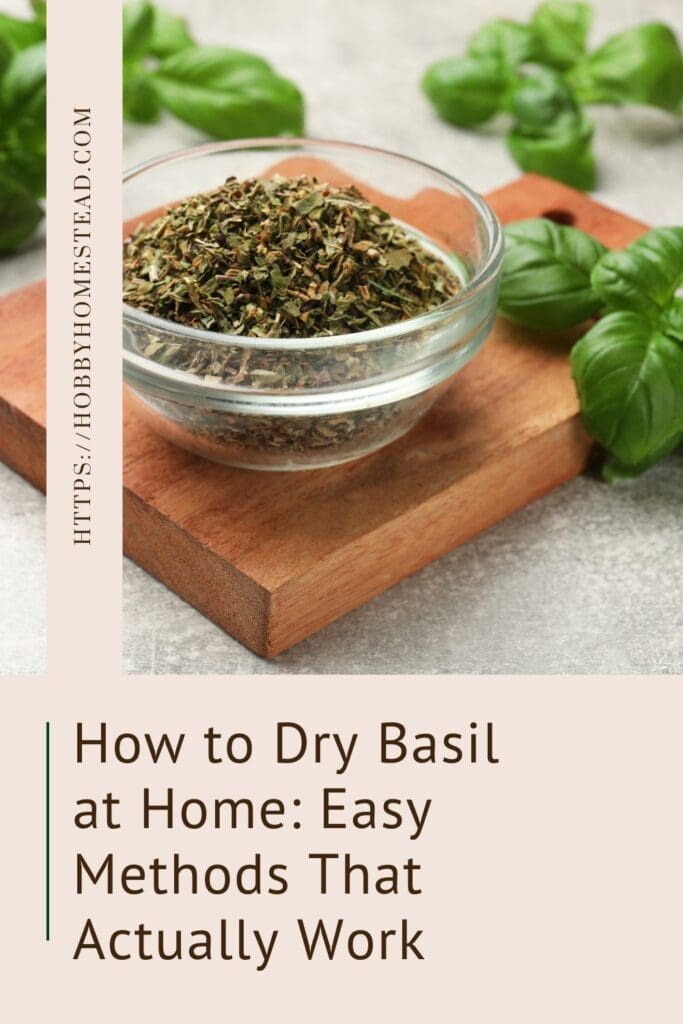
There’s something deeply satisfying about turning a fresh basil harvest into jars of dried herbs lined up in the pantry. Drying basil at home is one of those simple homestead skills that saves money, reduces waste, and keeps the flavor of summer close at hand all year long.
Whether your basil comes from a backyard garden, a porch container, or a farmers market bundle, learning how to dry basil properly ensures you’ll always have this classic herb ready for soups, sauces, and everyday cooking. Below are several reliable ways to dry basil at home, along with tips, comparisons, and common mistakes to avoid.
Why Dry Basil at Home?
Drying basil is an easy way to preserve excess herbs before they bolt or go to waste. Homemade dried basil often has better flavor than store-bought versions, and you control the quality from start to finish.
Benefits of drying basil at home include:
- Preserving garden harvests
- Saving money on store-bought herbs
- Reducing food waste
- Stocking your pantry with homegrown flavor
Best Ways to Dry Basil at a Glance
| Drying Method | Approximate Time | Pros | Cons |
| Dehydrator | 2–10 hours | Consistent results, good flavor retention, ideal for larger batches | Requires a dehydrator |
| Oven | 2–4 hours | Fast, uses common kitchen equipment | Needs close monitoring, higher heat may darken leaves |
| Air Drying | 1–3 weeks | No equipment needed, traditional method | Takes the longest, not ideal in humid climates |
| Microwave | 2–5 minutes | Extremely fast, great for small amounts | Easy to overcook, uneven drying |
Best Practices Before Drying Basil
A little preparation goes a long way when drying herbs.
Harvest at the Right Time
Harvest basil early in the morning after the dew has dried, but before the plant flowers. This is when the leaves have the strongest flavor.
Wash and Dry Thoroughly
Gently rinse basil to remove dirt or insects. Pat dry with clean towels or use a salad spinner. Basil must be completely dry before preserving to prevent mold.
Remove Damaged Leaves
Discard any yellowed, bruised, or insect-damaged leaves so only the best quality basil is preserved.
How to Dry Basil Using Different Methods
Dehydrator Method
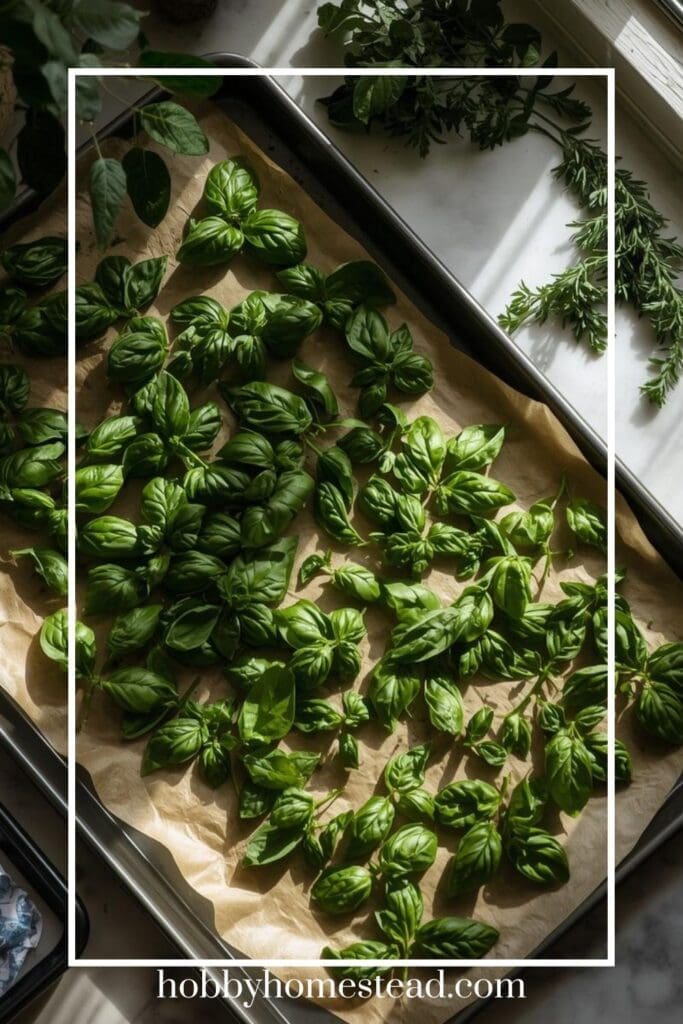
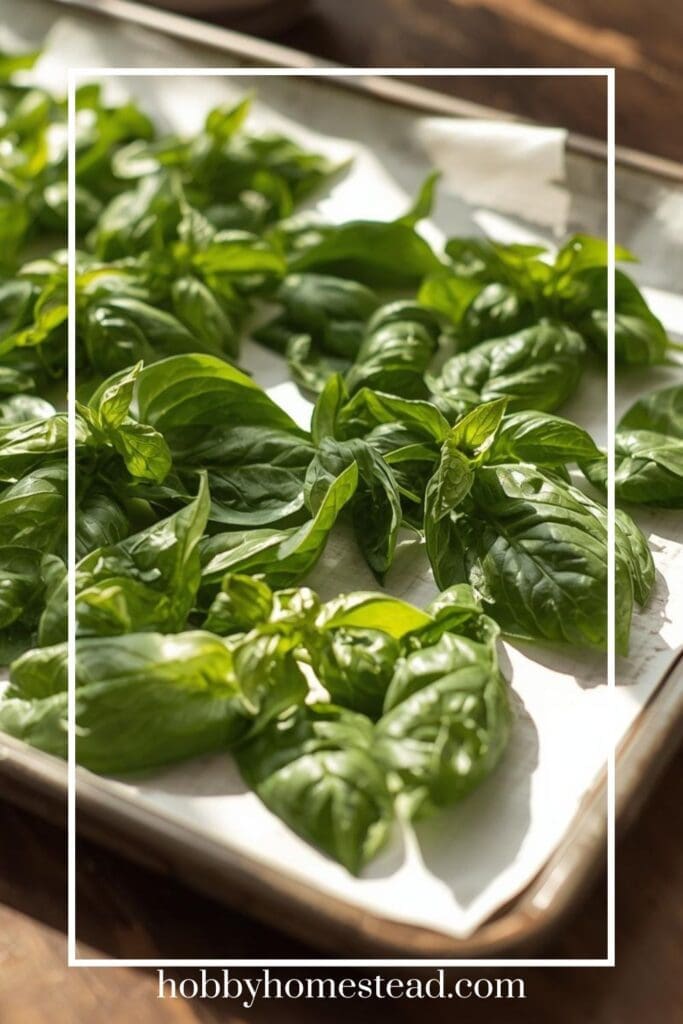
Arrange basil leaves in a single layer on dehydrator trays.
- Temperature: 95°F–115°F
- Time: 2–10 hours
Check periodically. Basil is done when leaves crumble easily.
Oven Method
Place basil leaves on a parchment-lined baking sheet.
- Temperature: Lowest oven setting (usually around 170°F)
- Time: 2–4 hours
Leave the oven door slightly cracked to release moisture and rotate trays as needed.
Air Drying Method
Tie small bundles of basil stems together and hang upside down in a warm, dry area with good airflow and no direct sunlight.
- Time: 1–3 weeks
Leaves should feel crisp before storage.
Microwave Method (Small Batches Only)
This method works best when you need dried basil quickly.
- Place clean, leaves between two paper towels on a microwave-safe plate.
- Microwave on high for 30 seconds, then continue in 15–30 second bursts.
- Total time is usually 2–5 minutes.
- Stop when leaves are crisp and crumbly. Cool completely before storing.
Flavor and Color Notes
- Dehydrator and oven drying may darken basil slightly, especially at higher temperatures.
- Air-dried basil often retains a brighter green color.
- Lower temperatures and slower drying help preserve basil’s essential oils and flavor.
Common Mistakes to Avoid When Drying Basil
- Drying damp leaves — moisture leads to mold.
- Using high heat — basil burns easily and loses flavor.
- Overcrowding trays — airflow is essential.
- Storing before fully dry — causes spoilage.
- Grinding basil before storage — whole leaves retain flavor longer.
How to Store Dried Basil
Once fully dried:
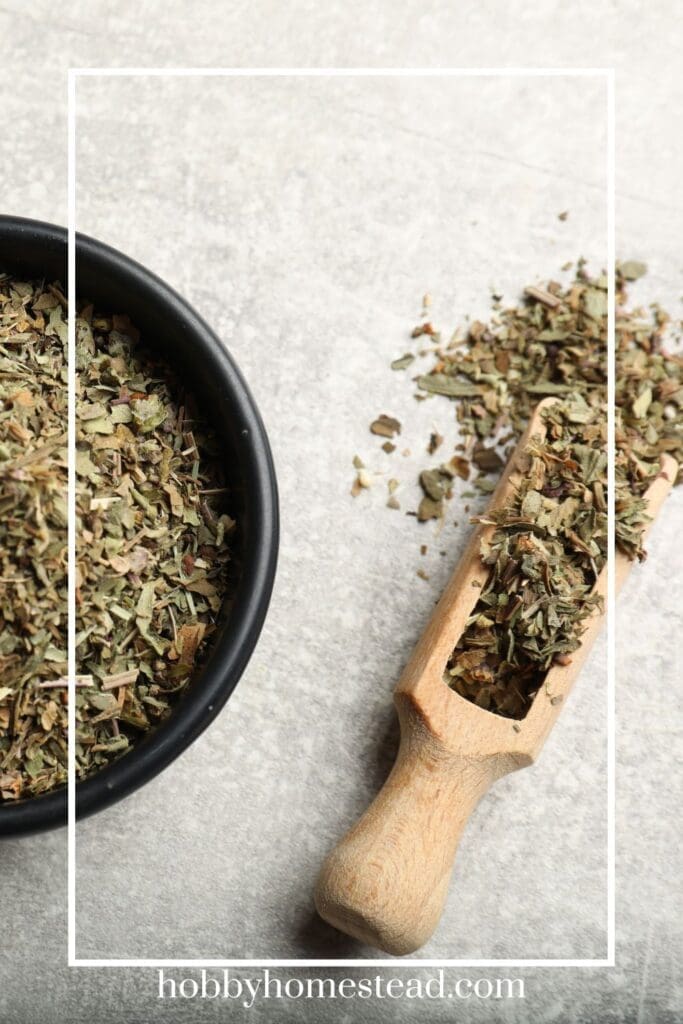
- Crumble leaves by hand or store whole.
- Place in airtight containers such as glass jars.
- Store in a cool, dark pantry away from heat and light.
- Label jars with the drying date.
Properly stored herbs keep their best flavor for 6–12 months.
How to Use Dried Basil in Recipes
Dried herbs are more concentrated than fresh. A good rule of thumb:
- 1 teaspoon dried basil = 1 tablespoon fresh basil
This works especially well in soups, sauces, stews, and seasoning blends.
What is the best way to dry basil?
A dehydrator provides the most consistent results, but air drying works well in low humidity. Oven and microwave methods are faster options for small or urgent batches.
How do I know when basil is fully dried?
Leaves should be completely crisp and crumble easily. Any flexibility means more drying time is needed.
Can I this herb with the stems attached?
Yes, especially for air drying. For oven, dehydrator, or microwave methods, removing the leaves helps them dry evenly.
Why did my dried basil turn dark?
High heat or excess moisture can cause discoloration. While still safe to use, darker basil may have a milder flavor.
How long does homemade dried basil last?
When stored properly, it keeps its best quality for up to a year.
Drying basil at home is a simple, practical skill that fits right into a self-sufficient, homestead lifestyle. With just a little time and care, you can turn fresh basil into a long-lasting pantry staple that brings homegrown flavor to your cooking year-round.
Whether you’re preserving a large garden harvest or just a handful of fresh leaves, it is an easy way to make the most of what you have — one jar at a time.