
Last updated on March 26th, 2026 at 08:44 am
It’s easy to make your own powdered dishwasher detergent. Your dishwasher pods cost 40 cents each. This takes 2 minutes to mix, costs pennies per load, and cleans just as well without the mystery chemicals.
Use just three pantry staples, one container, zero weird residue. This homemade formula rivals store brands at a fraction of the cost and effort.
Late Night Dishes
You know that sinking feeling when you open the dishwasher door and realize you are completely out of detergent?
It happened to me last Tuesday at 9 PM with a sink full of dinner dishes and zero interest in driving to the store. So, I googled homemade dishwasher detergent, found a dozen recipes with ingredients I had never heard of. Then I remembered my friend made her own. I called her to find out the recipe. I’m so glad I did.
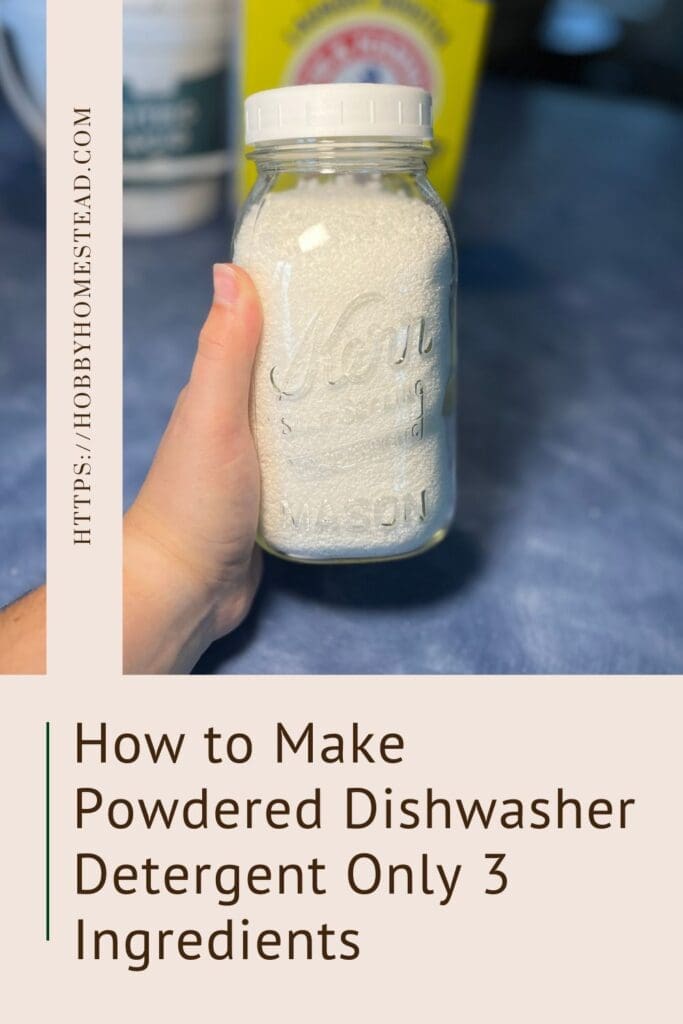
Just three ingredients. Two minutes. No trips to the store.
I mixed it up, ran a load, and honestly expected cloudy glasses and gritty plates. Instead, everything came out cleaner than usual. No streaks or film. And no weird smells.
That was six months ago, and I have not bought a box of detergent since.
What You Will Need
Most DIY recipes spiral into ingredient lists that look like a chemistry lab. This one does not.
You need three things, washing soda, citric acid, and kosher salt. And you probably already have two of them sitting in your pantry right now. The third one is in the laundry aisle at any grocery store and costs about four dollars for a box that will last you months.
That is it. No essential oils or complicated additives. No mystery powders. Just three dry ingredients that create a cleaning powerhouse when combined. We do have tips for how to keep your powder from clumping.
How to Make Powdered Dishwasher Detergent Only 3 Ingredients
As an Amazon Associate I earn from qualifying purchases.
Materials
- 1 Cup Washing Soda not baking soda, this matters
- 1/2 Cup Citric Acid
- 1/2 Cup Kosher Salt
Instructions
- In a large bowl, mix the washing soda, citric acid and kosher salt.1 Cup Washing Soda, 1/2 Cup Citric Acid, 1/2 Cup Kosher Salt
- Store in a sealed container.
- To use, add 1 tablespoon per load in your dishwasher soap dispenser with the powder mixture and close the lid.
Notes
Keep Your Detergent from Clumping
Optional: Add a flow agent. If you want a professional “never clumps” texture:- Add 1–2 teaspoons of cornstarch
- Or 1 teaspoon of arrowroot powder
- Mason jar with a new lid
- Weck jar
- Flip‑top jar with a silicone gasket
- Above the dishwasher
- Next to the sink
- Near the stove
Why This Works
Washing soda cuts grease, citric acid tackles stuck-on food and hard water buildup, and salt prevents hard water spots. Together they work like a tag team that leaves your dishes spotless without the $15 price tag or plastic waste from pods.
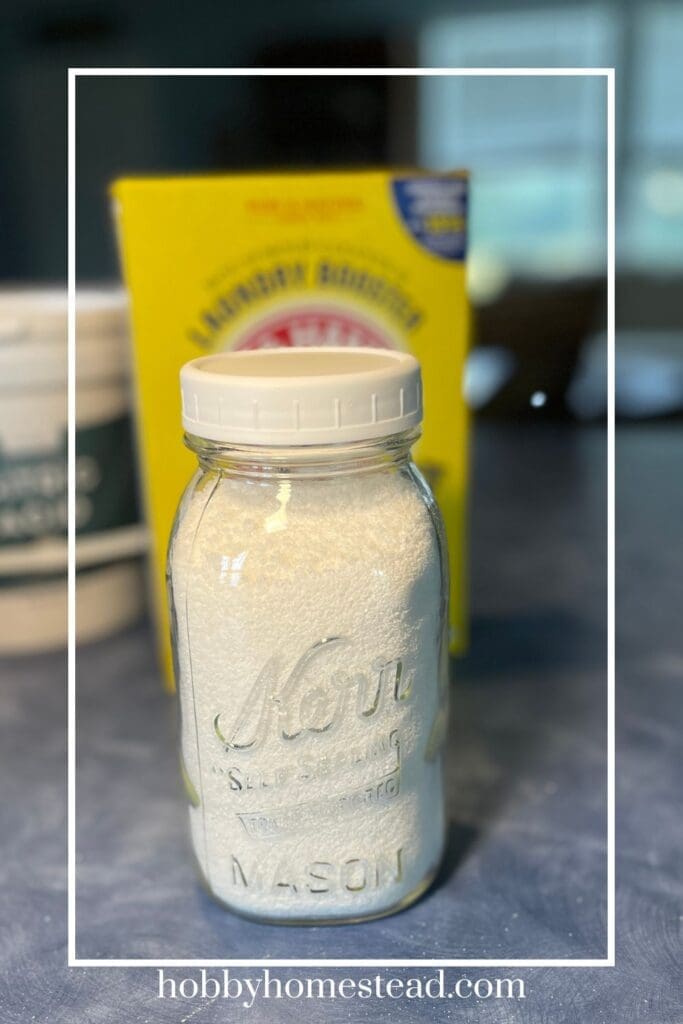
Mixing Your Detergent in Under 3 Minutes
This is not rocket science. You are literally just dumping three things into a container and shaking it.
Grab an airtight container that holds at least 2 cups. A mason jar works great, or you can reuse an old detergent container if you have one lying around. Pour in the washing soda first, then the citric acid, then the salt.
Seal the lid tight and shake it for about 30 seconds until everything is evenly mixed and you do not see any separated layers.
Done. You just made dishwasher detergent.
Store it somewhere dry, because moisture will clump the powder. A cabinet near your dishwasher is perfect. If you live in a humid climate, toss a silica gel packet in the container to keep everything flowing smoothly. The batch you just made will give you roughly 16 to 20 loads depending on how heavy-handed you are with the scoop.
How Much to Use Per Load
Here is where people mess this up and then blame the recipe.
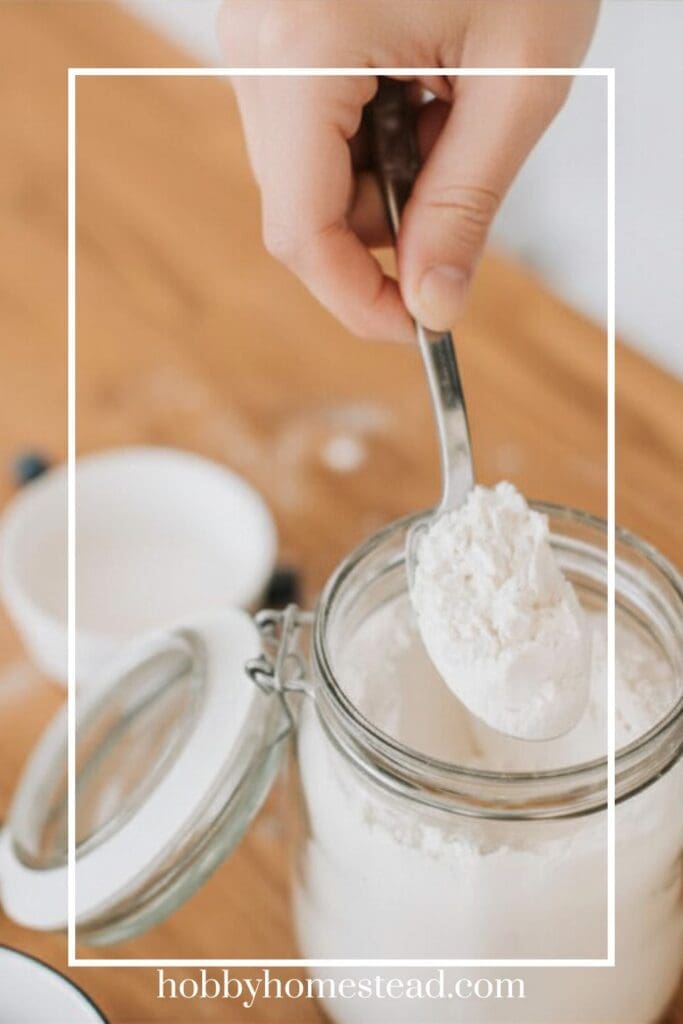
You only need 1 tablespoon per load. That is it. Not a heaping scoop. Not two tablespoons because your dishes are extra dirty. One level tablespoon in the detergent cup of your dishwasher.
If you use too much, you will end up with a cloudy residue on your glasses because the extra powder does not rinse away cleanly. If you use too little, greasy pans might not come out perfectly clean. One tablespoon hits the sweet spot for normal loads. For seriously caked-on food or greasy pots, you can bump it up to 1.5 tablespoons, but that is the max.
Also, keep using rinse aid if your dishwasher has a rinse aid dispenser. Homemade detergent does not replace that.
Rinse aid prevents water spots and helps everything dry streak-free, which is especially important if you have hard water.
Hint. White vinegar works as a cheap rinse aid alternative if you do not want to buy the commercial stuff.
How to Keep Your Detergent From Clumping
1. Store it airtight — truly airtight
Moisture is the enemy. The page recommends a sealed container, and that’s essential. Best options:
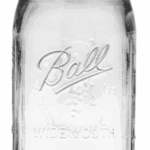
- Mason jar with a new lid
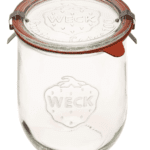
- Weck jar
- Flip‑top jar with a silicone gasket
Avoid: plastic food containers that don’t seal tightly.
2. Add a moisture absorber
This is the single most effective trick.
Great options:
- Silica gel packets (the page suggests this for humid climates)
- A tablespoon of uncooked rice in a breathable sachet
- A small food‑safe desiccant canister
These keep the powder flowing even in high humidity.
3. Layer the ingredients when mixing
Citric acid is hygroscopic — it pulls moisture from the air. To reduce clumping:
- Pour washing soda first, then citric acid, then salt
- Seal the container before shaking
This minimizes the citric acid’s exposure to air during mixing.
4. Keep it away from steam
Don’t store it:
- Above the dishwasher
- Next to the sink
- Near the stove
A cabinet near the dishwasher is fine — the page recommends this — but not directly above it.
5. Use a scoop that stays dry
Every time a damp hand or wet scoop goes in, you introduce moisture. Keep a dedicated dry tablespoon inside the jar.
6. Optional: Add a flow agent
If you want a professional “never clumps” texture:
- Add 1–2 teaspoons of cornstarch
- Or 1 teaspoon of arrowroot powder
These absorb micro‑moisture without affecting cleaning power.
What to Expect and When It Works Best
This detergent crushes everyday loads. Cereal bowls, coffee mugs, dinner plates, forks, spoons, mixing bowls, all of it comes out clean and odor-free.
The citric acid in this recipe makes it particularly effective if you have hard water. It helps prevent mineral buildup and keeps your glasses sparkling clear. If you regularly wash heavily burnt casserole dishes or pans with baked-on cheese, you might need to pre-rinse or scrub those a bit before loading them in.
The detergent does not create suds. That freaks some people out the first time they use it because we are conditioned to think foam equals cleaning power. It does not. Suds are just for show in dishwashers, and too much foam actually interferes with the wash cycle. Your dishes are getting clean even though you do not see bubbles through the door window.
Common Mistakes That Ruin the Results
The biggest mistake is confusing washing soda with baking soda. They look similar. They are both white powders in boxes. But they are chemically different, and baking soda will not clean your dishes.
Washing soda is sodium carbonate. Baking soda is sodium bicarbonate. Washing soda is more alkaline and way more effective at cutting grease and breaking down food particles.
You can actually make washing soda by baking baking soda in the oven at 400 degrees for an hour, but it is easier to just buy a box of Arm and Hammer Super Washing Soda for a few bucks.
Another common mistake is storing the detergent in a humid spot. If moisture gets in, the powder clumps into a rock-hard brick that you will have to chip apart with a spoon. Keep it sealed and dry.
And do not skip the salt. Some people think it is optional. It is not. Salt is what prevents hard water minerals from leaving spots and film on your glassware. Without it, you will end up with cloudy drinking glasses no matter how good the rest of your detergent is.
Cost Breakdown Per Load
Let’s talk money, because that is probably why you are here.
A box of washing soda costs around four dollars and contains about 55 ounces. Citric acid runs about eight dollars for a pound. A container of kosher salt is maybe three dollars for 48 ounces. You are looking at roughly fifteen dollars in upfront ingredient costs.
That fifteen dollars makes approximately 8 batches of this detergent recipe. Each batch gives you 16 to 20 loads. So you are getting 128 to 160 loads out of fifteen dollars worth of ingredients.
That is about 9 to 12 cents per load.
Compare that to name-brand pods that run 30 to 40 cents each, and you are saving around 70% per load. Even cheap store-brand powder usually costs 10 to 15 cents per load. Over the course of a year, if you run your dishwasher five times a week, you are saving somewhere between 45 and 80 dollars by making your own. That is a tank of gas or a nice dinner out, just from mixing three ingredients every couple months.
Making your own dishwasher detergent is not about becoming a crunchy granola homesteader. It is about spending two minutes and saving real money without sacrificing clean dishes.
The recipe works. The ingredients are easy to find. The cost per load is absurdly low. And you never have to panic about running out of detergent at 9 PM on a Tuesday again because you can whip up a new batch faster than you can drive to the store.

This worked exactly as written, thanks!