
Did you know that you can repel ticks naturally? Ticks are one of the less welcome realities of spending time outdoors. Whether you’re tending the garden, collecting eggs from the chicken coop, hiking through the woods, or simply enjoying your backyard, these tiny pests can quickly become a concern for families, pets, and livestock.
But here’s what most people don’t realize. Ticks navigate by scent, and certain plant compounds completely scramble their ability to find hosts. When you place the right herbs around your yard, you’re not just hoping they work. You’re creating chemical barriers that ticks actively avoid because their sensory systems can’t function properly near these plants.
If you’re looking for natural ways to help reduce ticks around your property, planting aromatic herbs may be a helpful addition to your homestead strategy.
While no plant can eliminate ticks entirely, certain herbs are traditionally believed to discourage them thanks to their strong scents and natural oils.
The best part? Many of these herbs are easy to grow, useful in the kitchen, and attractive additions to your garden.
In this guide, we’ll explore ten herbs that may help repel ticks naturally, along with practical tips for where to plant them and how to use them as part of a larger tick-control plan.
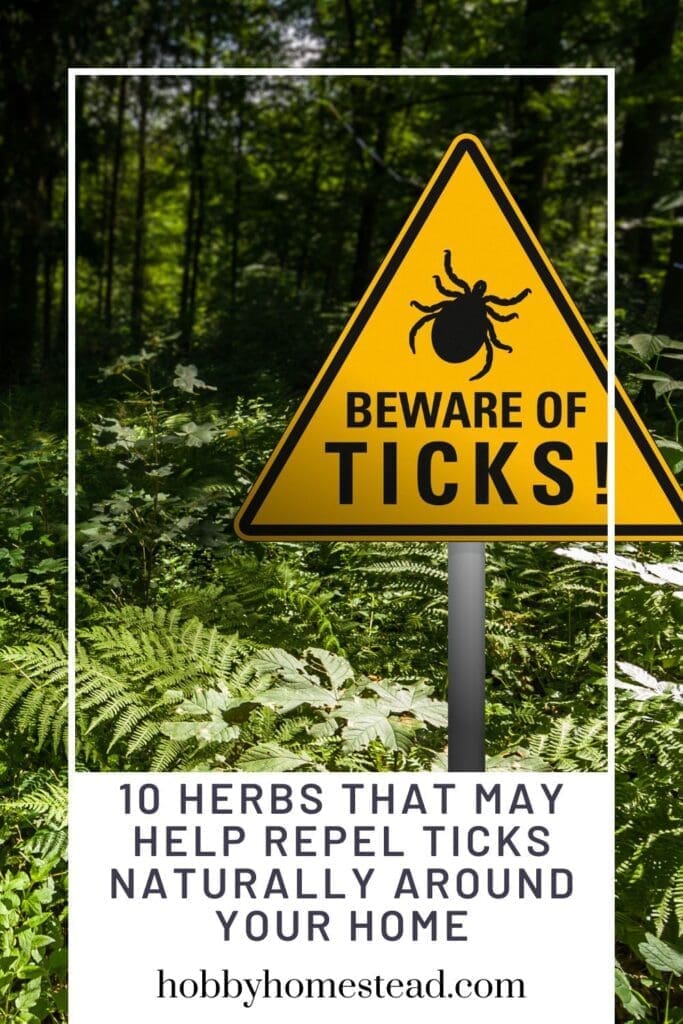
Why Herbs Work as Tick Deterrents
Ticks don’t have noses like mammals, they have sensory organs called Haller’s organs on their front legs that detect carbon dioxide, body heat, and specific chemical signatures.
When certain herbs release volatile oils into the air, these compounds overwhelm and confuse those sensory organs. It’s like walking into a room with strobe lights and sirens blasting. The tick can’t process the information it needs to locate a host, so it moves away from the area entirely.
This isn’t about masking your scent. It’s about creating an environment where the tick’s navigation system fails.
Can Herbs Really Repel Ticks?
Some herbs contain essential oils and compounds that are known to deter certain insects.
However, research on whether planting herbs alone significantly reduces tick populations is limited.
Think of these plants as one tool in your natural pest-control toolbox rather than a complete solution.
For the best results, combine herb planting with:
- Keeping grass cut short
- Removing leaf litter and brush
- Creating wood-chip or gravel barriers
- Limiting deer access
- Checking people and pets after outdoor activities
When used alongside these practices, herbs can contribute to a healthier and more pleasant outdoor environment.
Note: While certain herbs are traditionally believed to help deter ticks, planting them alone will not eliminate ticks. For best results, combine these plants with good yard maintenance and regular tick checks for people and pets.
The herbs that work best contain high concentrations of specific compounds:
- Thymol and carvacrol (found in thyme and oregano) disrupt the tick’s ability to detect carbon dioxide
- Citronellal and geraniol (in lemongrass and geraniums) interfere with heat detection
- Eucalyptol and camphor (in rosemary and lavender) create olfactory overload that disorients ticks
The key is understanding that a single potted plant won’t do much. You need strategic placement in high-traffic areas where ticks typically wait to ambush hosts. Entry points to your yard, edges of wooded areas, and pathways where you and your pets walk daily are the critical zones.
Plant these herbs in clusters rather than scattered singles. A group of four to six lavender plants creates a stronger scent barrier than one lonely plant trying to do the job alone.
Quick Reference Chart: Best Herbs for Tick Control
| Herb | Main Compound | Best Placement | Growing Type |
| Lavender | Linalool | Walkways, patios | Perennial |
| Rosemary | Eucalyptol, camphor | Doorways, gathering areas | Perennial/Annual |
| Mint | Menthol | Containers near doors | Perennial |
| Lemongrass | Citronellal | Patios, play areas | Annual in cold climates |
| Sage | Camphor | Borders, pathways | Perennial |
| Thyme | Thymol | Path edges, pavers | Perennial |
| Garlic | Allicin | Garden borders | Annual crop |
| Catnip | Nepetalactone | Walkways, containers | Perennial |
| Basil | Eugenol, linalool | Porches, containers | Annual |
| Oregano | Carvacrol, thymol | Borders, slopes | Perennial |
1. Lavender
Lavender is prized for its calming fragrance, beautiful purple blooms, and ability to attract pollinators while potentially discouraging unwanted pests.
Why It May Help
Lavender contains aromatic oils such as linalool, which are commonly used in natural insect-repellent products.
How to Grow
- Full sun
- Well-drained soil
- Drought tolerant once established
Best Places to Plant
- Along walkways
- Near patios and porches
- Around seating areas
Lavender needs excellent drainage. If your soil holds water, plant in raised beds or mounds. The plants actually produce more concentrated oils when slightly stressed by dry conditions, which means less watering creates stronger tick deterrent properties.
Prune after flowering to encourage bushier growth and more foliage producing those protective compounds. A well-maintained lavender plant will give you three to five years of strong tick protection before needing replacement.

2. Rosemary
Rosemary is a hardy perennial herb with a strong pine-like scent that many insects find unpleasant.
Why It May Help
The concentrated oils in rosemary are frequently used in natural sprays and herbal repellents.
Best Places to Plant
- Near doorways
- Along garden borders
- Around outdoor gathering spaces
Rosemary thrives in full sun and well-drained soil. In zones 7 and below, treat it as an annual or bring potted versions indoors during winter. The scent intensifies when you brush against the plants, which means high-traffic areas get the strongest deterrent effect exactly when you need it most.
Don’t just planta single rosemary bush. You need multiple plants creating overlapping scent zones. Space them 18 to 24 inches apart for continuous coverage.
3. Mint
Mint grows vigorously and releases a refreshing aroma when brushed or crushed.
Why It May Help
Its potent scent may help mask odors that attract insects.
The right way to use mint for tick control:
- Plant in containers only, never directly in garden beds
- Use pots at least 12 inches in diameter to support vigorous root systems
- Position containers strategically near doors, along deck edges, flanking outdoor dining areas
- Harvest frequently to encourage new growth, which contains the highest oil concentrations
When you brush against mint or harvest leaves, you release a burst of oils into the surrounding air. This creates temporary zones of intense scent that provide immediate protection.
Place pots where you’ll interact with them regularly, not in decorative spots you never touch.
Maintenance reality: Mint in containers needs consistent moisture and monthly feeding during the growing season. The tradeoff is worth it. You get controllable tick protection plus fresh herbs for cooking, and you avoid the nightmare of mint taking over your entire yard.
Growing Tip. Planting mint in containers keeps it from spreading aggressively.

4. Lemongrass
Lemongrass contains citronella, a well-known ingredient in natural insect repellents.
Why lemongrass outperforms citronella candles: A burning candle depletes in hours. A growing plant releases compounds 24/7 throughout the growing season, and the concentration strengthens as the plant matures. By mid-summer, an established lemongrass clump produces enough volatile oils to affect a 10 to 15 foot radius.
Best Uses
- Containers on decks and patios
- Near outdoor seating areas
- Around playground equipment
- Near pet rest spots
Start with at least gallon-sized plants, not small seedlings. Larger plants produce meaningful amounts of oils immediately.
Cluster for impact: Three plants grouped together work exponentially better than three plants scattered across your yard.
Maintenance requirement: Divide clumps every two years to maintain vigorous growth and maximum oil production.
Lemongrass is tropical, hardy only in zones 9 and above. In cooler climates, grow in large containers that you can move indoors before frost, or treat as an annual and replant each spring. The investment pays off. A single season of protection during peak tick months makes the annual replanting worthwhile.
5. Sage
Sage offers a strong earthy aroma and thrives in sunny garden beds.
Two types deliver different benefits:
Common garden sage (Salvia officinalis): Hardy perennial in most climates, produces consistent oil levels, works well as an edging plant along pathways and garden borders.
Russian sage (Perovskia atriplicifolia): Larger plant reaching 3 to 4 feet tall, creates dramatic visual barriers while producing strong camphor scent, excellent for property line plantings.
Both need full sun and despise wet soil. Overwatering actually reduces the concentration of protective oils in the leaves, making the plants less effective as tick deterrents. Water deeply but infrequently, allowing soil to dry between waterings.
Sage plants benefit from hard pruning in early spring. Cut back by one-third to one-half, which forces dense new growth packed with fresh leaves producing peak oil levels. This spring pruning sets you up for maximum tick protection during the critical April through September tick season.
Bonus Benefit.The leaves can also be dried and used in homemade herbal bundles and culinary dishes.
6. Thyme
Thyme forms a low-growing mat that works beautifully as a border plant.
Why It May Help
Thyme contains thymol, a compound often associated with natural pest-deterrent properties.
Creeping thyme works differently than upright varieties:
Plant creeping thyme (Thymus serpyllum) between paver stones, along path edges, and in areas where foot traffic naturally crushes the foliage. Every step releases oils directly into the space where ticks wait at ground level. This isn’t decorative groundcover that happens to repel ticks. This is strategic placement that targets the exact height where ticks quest for hosts.
Upright culinary thyme (Thymus vulgaris) works better in container groupings near entry points and outdoor living spaces. These bushier plants create scent barriers at ankle to knee height, the zone where ticks most often make contact with humans and pets.
Both types need:
- Full sun exposure minimum 6 hours daily
- Extremely well-drained soil, almost sandy consistency preferred
- Minimal fertilization, which keeps growth compact and oil concentration high
- Light pruning after flowering to maintain dense habit
Established thyme plants survive harsh winters and drought conditions, making them low-maintenance tick protection that returns year after year with strengthening effectiveness as root systems mature.
7. Garlic
Garlic offers more than flavorful harvests for the kitchen. Its strong sulfur compounds and pungent aroma have long made it a favorite in organic gardens and natural pest-control strategies.
Why It May Help
Garlic contains sulfur-based compounds, including allicin, which are responsible for its distinctive smell. These compounds are often associated with natural insect-deterrent properties and may help make nearby areas less attractive to ticks and other pests.
Garlic works best when planted as a protective border rather than scattered randomly throughout the garden. Rows of garlic around vegetable beds, herb gardens, and high-traffic areas create concentrated pockets of scent that can complement other tick-management practices.
Hardneck garlic is especially well suited for northern climates and hobby homesteads, returning dependable harvests while offering a hardy, low-maintenance option.
Best Places to Plant
- Along vegetable garden borders
- Around raised beds
- Near fruit trees and berry patches
- Along fences and garden entrances
Growing Tips
- Plant cloves in fall for the largest bulbs the following summer
- Choose full sun and loose, well-drained soil
- Mulch well to protect over winter
- Remove flower stalks (scapes) to encourage larger bulbs
Garlic is one of those practical homestead crops that serves multiple purposes. Even if its tick-repelling effects are modest, you’ll enjoy a flavorful harvest, beautiful scapes, and a useful companion plant that earns its space in the garden.

8. Catnip
Catnip is a vigorous member of the mint family best known for delighting cats, but it also contains compounds that have been studied for their insect-repelling potential.
Why It May Help
Catnip contains nepetalactone, a naturally occurring compound that researchers have examined for its ability to deter certain insects. While planting catnip alone will not eliminate ticks, its strong fragrance makes it a valuable addition to a diversified herb garden.
Catnip grows quickly and produces abundant foliage, creating dense aromatic clumps that release more scent whenever brushed or crushed. This makes it particularly useful along paths and garden edges where people and pets frequently pass.
Best Places to Plant
- Along walkways
- Around patios
- Near garden entrances
- In containers to control spreading
Growing Tips
- Plant in full sun to partial shade
- Provide well-drained soil
- Cut back after flowering to encourage fresh growth
- Consider cages or containers if neighborhood cats are attracted to it
Like mint, catnip can spread readily, but its ease of growth and potential pest-deterring qualities make it a worthwhile herb for natural-minded gardeners.
9. Basil
Basil is one of the easiest and most rewarding herbs to grow, offering fragrant leaves for the kitchen and a strong aroma that may help discourage insects.
Why It May Help
Basil’s essential oils, including eugenol and linalool, contribute to its rich scent and are commonly used in natural pest-repellent products. Because basil thrives in containers, it is easy to position exactly where its fragrance is most useful.
Unlike many perennial herbs, basil grows quickly from seed and produces abundant foliage throughout the warm season. Regular harvesting keeps plants bushy and continuously releases aromatic oils.
Best Places to Plant
- Pots on porches and decks
- Near doorways
- Around outdoor dining areas
- In kitchen gardens close to the house
Growing Tips
- Plant after all danger of frost has passed
- Choose full sun and fertile, well-drained soil
- Pinch flower buds to prolong leaf production
- Harvest often for best growth
Basil is a perfect example of a dual-purpose herb: beautiful, productive, and potentially helpful in creating a more pleasant outdoor space.
10. Oregano
Oregano is a hardy perennial herb with a robust fragrance and exceptional drought tolerance, making it an excellent low-maintenance addition to the homestead.
Why It May Help
Oregano contains aromatic compounds such as carvacrol and thymol, both of which are frequently associated with natural pest-deterrent properties. Dense oregano plants create fragrant mounds that release their oils whenever touched, trimmed, or warmed by the sun.
Because oregano spreads gradually and forms sturdy clumps, it works well as a long-term border planting in areas where you want attractive, useful herbs that return year after year.
Best Places to Plant
- Along garden borders
- Around raised beds
- Near patios and walkways
- In rock gardens and sunny slopes
Growing Tips
- Plant in full sun
- Provide well-drained soil
- Avoid excessive fertilization
- Trim regularly to maintain compact growth
Oregano is one of the most dependable perennial herbs for homesteaders. It asks for little, survives challenging conditions, and rewards you with culinary harvests and a potentially helpful contribution to your natural tick-management plan.

Where to Plant Tick-Repelling Herbs
For the greatest benefit, plant these herbs in areas where your family and pets spend the most time:
- Around patios and decks
- Along sidewalks and garden paths
- Near dog runs and kennels
- Around chicken coops
- By garden gates and entrances
- Close to doorways and windows
Strategic Placement Guide
| Area Around Home | Best Herbs to Plant |
| Front and back doors | Rosemary, basil, mint |
| Walkways and garden paths | Lavender, thyme, catnip |
| Patios and decks | Lemongrass, basil, rosemary |
| Property edges near woods | Sage, oregano, lavender |
| Chicken coop | Garlic, oregano, thyme |
| Dog runs and kennels | Mint, thyme, lavender |
Additional Natural Ways to Reduce Ticks
Herbs work best when paired with sound property management practices.
Keep the Yard Maintained
Ticks thrive in tall grass, weeds, and brushy areas.
Remove Leaf Litter
Rake up leaves and debris where ticks can hide.
Discourage Deer
Install fencing or choose deer-resistant plants.
Encourage Poultry
Many homesteaders use chickens and guinea fowl to help reduce insects.
Perform Daily Tick Checks
Inspect clothing, pets, and skin after spending time outdoors.
Can You Use These Herbs in Homemade Tick Sprays?
Many of these herbs are commonly used in homemade sprays and infused oils. However, essential oils should be used carefully, especially around children, cats, dogs, and livestock.
Always research safe dilution rates and consult your veterinarian before applying any herbal preparation to animals.
Common Mistakes That Reduce Effectiveness
Spacing plants too far apart. A single rosemary bush surrounded by lawn creates a small scent bubble that dissipates quickly. Ticks simply walk around it. Plants need close enough spacing that their scent zones overlap and create continuous barriers. This means tighter spacing than typical ornamental guidelines suggest. For tick control purposes, plant 30% closer than the spacing recommendations on nursery tags.
Forgetting about winter die-back. In cold climates, many of these herbs die back completely or go dormant. Your tick protection drops to zero during those months. Plan for this by combining perennial herbs with cold-season strategies like maintaining leaf-free zones and keeping grass short in areas where ticks overwinter.
Overwatering and over-fertilizing. Lush, fast-growing herbs actually produce fewer essential oils than slightly stressed plants growing in lean conditions. When you push growth with rich soil and frequent watering, you get bigger plants with weaker scent. For tick deterrent purposes, you want compact, slower-growing plants with maximum oil concentration in their tissues.
Tips for Maximum Protection
Layer your plantings by height. Use low-growing thyme at ground level, mid-height lavender and sage at 1 to 2 feet, and tall rosemary or Russian sage at 3 to 4 feet. This creates a vertical scent barrier that targets ticks at multiple questing heights.
Create concentrated borders rather than scattered plantings. A 3-foot-wide herb border along your property line where it meets woods does more than individual plants dotted around your yard. Think in terms of barriers and zones, not decorative accent plants.
Refresh plantings every 3 to 5 years. Even perennial herbs lose vigor as they age. Older plants produce fewer leaves and weaker scent. Budget for replacing one-third of your herb plantings every other year to maintain strong protection levels.
Time your pruning strategically. Heavy pruning in early spring forces fresh growth that’s producing peak oils right as tick season begins in April and May. Light pruning after each bloom cycle keeps plants compact and productive through fall.
Combine herbs with physical barriers. Gravel or wood chip paths between lawn areas and wooded edges create dry zones ticks avoid. Line these paths with herb plantings for double protection.
Do tick-repelling herbs really work?
They may help deter ticks and other insects, but they are not a guaranteed solution.
Which herb is easiest to grow?
Mint, basil, oregano, and thyme are all beginner-friendly choices.
Beginner-Friendly Growing Guide
| Herb | Easiest to Grow? | Container Friendly | Cold Hardy |
| Mint | Yes | Excellent | Yes |
| Thyme | Yes | Excellent | Yes |
| Oregano | Yes | Excellent | Yes |
| Basil | Yes | Excellent | No |
| Garlic | Yes | Moderate | Yes |
| Lemongrass | Moderate | Excellent | No |
Are these herbs safe around pets?
Many herbs are safe in the garden, but concentrated essential oils can be harmful to some animals.
Tick Control Action Plan Checklist
| Task | Frequency |
| Mow grass | Weekly |
| Remove leaf litter | Monthly |
| Prune herbs | Spring and after flowering |
| Replace aging herbs | Every 3–5 years |
| Check pets and family | After every outdoor activity |
| Refresh mulch barriers | Annually |
Natural Tick Control with Herbs
Natural tick control isn’t about finding a magic plant that solves everything. It’s about understanding how ticks hunt, which compounds disrupt that process, and how to position plants strategically to create overlapping zones of protection in the specific areas where your family and pets spend time outdoors.
The herbs in this guide give you the tools. The placement strategy gives you the results. Start with the areas you use most, build out from there, and adjust based on where you’re still seeing tick activity. Within two seasons, you’ll have established plantings that reduce tick encounters significantly without a single chemical spray.
Stay connected with Hobby Homestead
Add Hobby Homestead as a preferred source in Google Search to make it easier to find our articles when you're searching for recipes, gardening tips, preserving ideas, and more.