A DIY dust bath using wood ash and clean sand gives your flock exactly what they need to stay parasite-free and healthy. Wood ash brings natural pest control properties while sand provides the abrasive scrubbing action that gets deep into feathers. Together, they create a self-service cleaning station your chickens will use daily.
Your chickens are scratching at dirt, shaking their feathers, and still covered in mites.Mix these two ingredients right and watch mites disappear in days.
The problem is not that they are not trying to clean themselves. The problem is they do not have the right dust bath setup. Chickens need a proper dust bath the same way you need a shower. It is their primary defense against external parasites, excess oil buildup, and skin irritation. But most backyard setups miss the mark on ingredients, container choice, or placement.
Here is how to build one. And learn where to place it so your birds will actually use it. Wrong placement means wasted effort. Right setup means your birds self-clean and stay parasite-free without chemicals or stress.

DIY Chicken Dust Bath at a Glance
Difficulty: Easy
Time: 10-15 minutes
Cost: Under $15 (often free if you already have wood ash)
Best For: Chickens of all ages
Main Ingredients: Clean sand and untreated hardwood ash
Maintenance: Stir weekly, refresh monthly
Supplies
- Clean construction or play sand
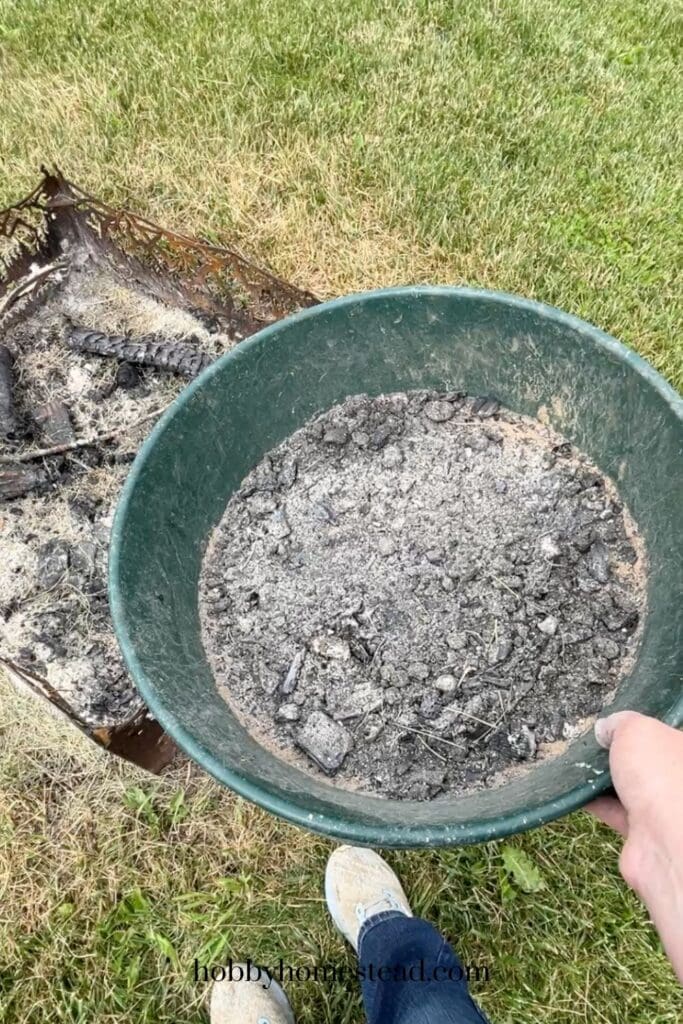
- Untreated hardwood wood ash
- Large tub, mortar mixing tray, wooden box, or similar container
- Small shovel or garden trowel
- Bucket for mixing
- Optional food-grade diatomaceous earth
Safety Tip
Always wear gloves and avoid breathing fine ash while mixing your dust bath. Make sure the wood ash is completely cool before using it.
🌿 From Our Homestead
We learned early on that chickens prefer a dust bath that stays dry year-round. Ours sits under the roof overhang beside the coop, and even after heavy rains, it’s ready for the flock to use.
Why Chickens Dust Bathe
Dust bathing isn’t just something chickens enjoy. It’s an instinctive behavior that helps them stay healthy. As chickens toss loose dirt through their feathers, they absorb excess oils, loosen dead skin, and help remove external parasites like mites and lice.
Wild birds naturally find dry, dusty patches of soil. Backyard chickens often need us to provide a suitable place, especially if their run stays muddy or grassy.
What Makes Wood Ash and Sand the Perfect Combo
Wood ash is not just filler. It is a natural insecticide that suffocates mites, lice, and other external parasites by clogging their breathing pores. The fine texture allows it to penetrate down to the skin where bugs hide, and the alkalinity creates an environment parasites hate. Clean sand adds the grit chickens need to scrub away dead skin, excess oil, and debris from their feathers.
This combination handles three major chicken health issues at once:
- External parasites like mites, lice, and fleas that cause feather loss and anemia
- Excess oil and dander buildup that leads to matted feathers and skin irritation
- Moisture regulation by absorbing dampness that can lead to fungal growth
When chickens dust bathe regularly in this mixture, they maintain their own pest control without you needing to apply chemicals or pesticides. The wood ash does the killing while the sand does the cleaning.
Choosing the Right Container for Your Dust Bath
Your container choice matters more than you think. Too small and your chickens will not use it. Too shallow and the mixture gets kicked out in minutes. The goal is to create a space where multiple birds can bathe comfortably while keeping the ingredients contained.
Here are your best options ranked by effectiveness:
- Large rubber tub or mortar mixing tray (24-36 inches) – Deep enough to contain mess, wide enough for two birds at once, easy to move and clean
- Old tire cut in half – Naturally curved sides keep ingredients in place, weatherproof, free if you have one lying around
- Wooden box with 8-12 inch sides – Permanent option for inside the coop, can be built custom to fit your space
- Kiddie pool (hard plastic, not inflatable) – Works for large flocks, provides tons of bathing space, but can tip if not secured
Avoid anything metal that will rust or containers without sides. Chickens are aggressive bathers who kick and flap with serious force. If your container does not have at least 6-inch sides, you will be sweeping up your dust bath mixture daily.
The Ideal Wood Ash to Sand Ratio
Mix one part wood ash to three parts sand for the base layer. This gives you enough parasite-fighting power without making the mixture too powdery or irritating to delicate skin areas.
Simple Ingredient Ratio Chart
| Dust Bath Size | Sand | Wood Ash | Optional DE |
| Small (3-5 chickens) | 3 gallons | 1 gallon | ½ cup |
| Medium (6-10 chickens) | 6 gallons | 2 gallons | 1 cup |
| Large (10+ chickens) | 9 gallons | 3 gallons | 1½ cups |
Ingredient specifics that matter:
Wood ash – Use only ash from untreated hardwood. No charcoal briquettes, no treated lumber, no wood with paint or chemicals. Let the ash cool completely and sift out large chunks before adding to your mix.
Sand – Construction sand or play sand works best. Avoid beach sand (salt content) and avoid anything labeled “sandbox sand” that has added chemicals or fragrances.
Optional boost: Add a half-cup of food-grade diatomaceous earth per container for extra parasite control. This creates microscopic cuts on bug exoskeletons that cause dehydration and death.
Fill your container 4-6 inches deep. Chickens need enough depth to really work the mixture into their feathers, but not so much that smaller birds struggle to get in and out.
Where to Place Your Dust Bath for Maximum Use
Location determines whether your chickens use the bath daily or ignore it completely. Chickens prefer to dust bathe in specific conditions, and if you miss these preferences, your perfectly mixed bath sits unused.
Prime placement rules:
Put it in a covered area that stays dry but gets indirect sunlight. Chickens love a warm spot for bathing, but direct sun can overheat the mixture and make it uncomfortable. A spot under a roof overhang, inside a three-sided shelter, or in a covered run works perfectly.
Keep it away from:
- Waterers and feeders (dust contaminates both)
- High-traffic doorways (birds need to relax while bathing)
- Low spots where rainwater pools
- Areas with full shade all day (too cold for comfortable bathing)
If your coop has limited space, place the dust bath outside in the run during good weather and move a smaller version inside during winter. Chickens will dust bathe year-round if given the option, and winter bathing helps control mites that thrive in the warmth of huddled birds.
❤️ Why We Love This
We love this simple dust bath because it uses materials we already have around the homestead. It’s inexpensive, easy to maintain, and gives our chickens a natural way to stay clean and comfortable.
Here is a short video making our two ingredient dust bath for our chickens.
Maintenance Schedule That Keeps It Working
A dust bath is not a set-it-and-forget-it solution. The mixture loses effectiveness as it gets contaminated with droppings, moisture, and debris. Stay ahead of problems with this simple schedule.
Weekly: Stir the mixture and remove any droppings or large debris. Check moisture levels. If the mixture feels damp or clumps when squeezed, add fresh sand to absorb excess moisture.
Monthly: Remove the top two inches of used mixture and replace with fresh wood ash and sand. The top layer takes the most abuse and loses potency fastest.
Every 3 months: Dump the entire bath, scrub the container, and start fresh. Even with regular maintenance, the mixture eventually becomes too contaminated to be effective.
Signs you need to refresh immediately:
- Strong ammonia smell (indicates too much waste buildup)
- Visible mold or green algae growth
- Mixture stays wet for more than 24 hours after rain
- Chickens stop using the bath suddenly
Store extra wood ash in a sealed container in a dry location so you always have fresh supply ready for maintenance days.

Common Dust Bath Mistakes
- Using charcoal briquette ash
- Using treated lumber ash
- Letting the bath get wet
- Making it too shallow
- Placing it in constant shade
- Forgetting to replace old material
Can I use fireplace ash?
Yes, as long as it comes from untreated natural hardwood. Avoid ash from painted, stained, pressure-treated wood or charcoal briquettes.
Can chicks use a dust bath?
Young chicks naturally begin dust bathing within their first few weeks of life. Use clean sand and a shallow container that’s easy for them to enter.
Is diatomaceous earth required?
No. Wood ash and sand work well on their own. Some chicken keepers choose to add a small amount of food-grade diatomaceous earth for additional parasite control.
How often do chickens dust bathe?
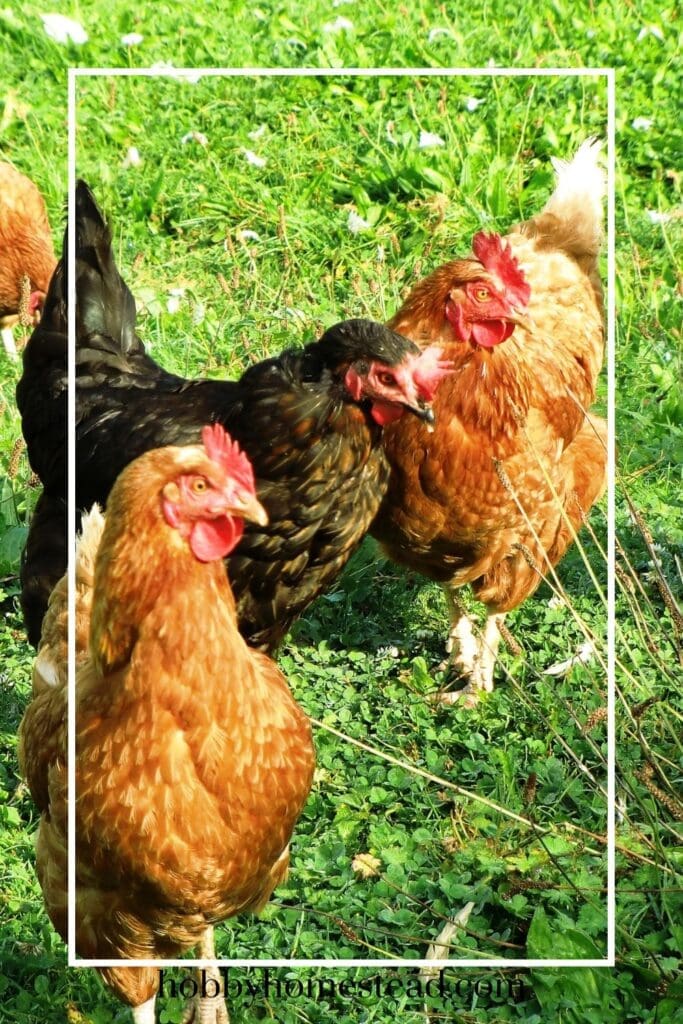
Healthy chickens often dust bathe several times each week and sometimes daily during warm weather.
What if my chickens ignore the dust bath?
Try moving it to a sunnier, drier location. Chickens usually prefer loose, dry material in a warm area where they feel safe from predators.
Seasonal Dust Bath Tips
Spring
Replace the entire dust bath after winter.
Summer
Keep it shaded during the hottest afternoon hours.
Fall
Stockpile hardwood ash before winter.
Winter
Move the dust bath inside the coop or under a covered run to keep it dry.
💡 Homestead Tip
Save clean hardwood ash in a covered metal bucket during the winter. You’ll have plenty on hand when it’s time to refresh dust baths in the spring.
Signs Your Chickens Love Their Dust Bath
- Rolling onto one side
- Fluffing feathers
- Tossing dust over their backs
- Relaxing with wings spread
- Returning to the same spot day after day
Many first-time chicken owners wonder if their birds are behaving normally.
🐓 Good to Know
It’s perfectly normal for chickens to emerge from a dust bath looking dirtier than when they started. The dust works deep into their feathers to help remove oils and discourage external parasites.
Raising Chicken Essential
Watching a happy hen settle into a cloud of dust might look messy, but it’s one of the healthiest behaviors you’ll see in your flock. A simple mixture of clean sand and hardwood ash gives your chickens a natural way to keep feathers clean, reduce parasites, and stay comfortable throughout the year.
With just a few minutes of setup and occasional maintenance, your flock will have a dust bath they’ll return to again and again. It’s one of the easiest improvements you can make for healthier, happier backyard chickens.
Stay connected with Hobby Homestead
Add Hobby Homestead as a preferred source in Google Search to make it easier to find our articles when you're searching for recipes, gardening tips, preserving ideas, and more.